Rice’s Vision for Creative Writing
The Power of a World-Class Faculty
By Sarah Brenner Jones
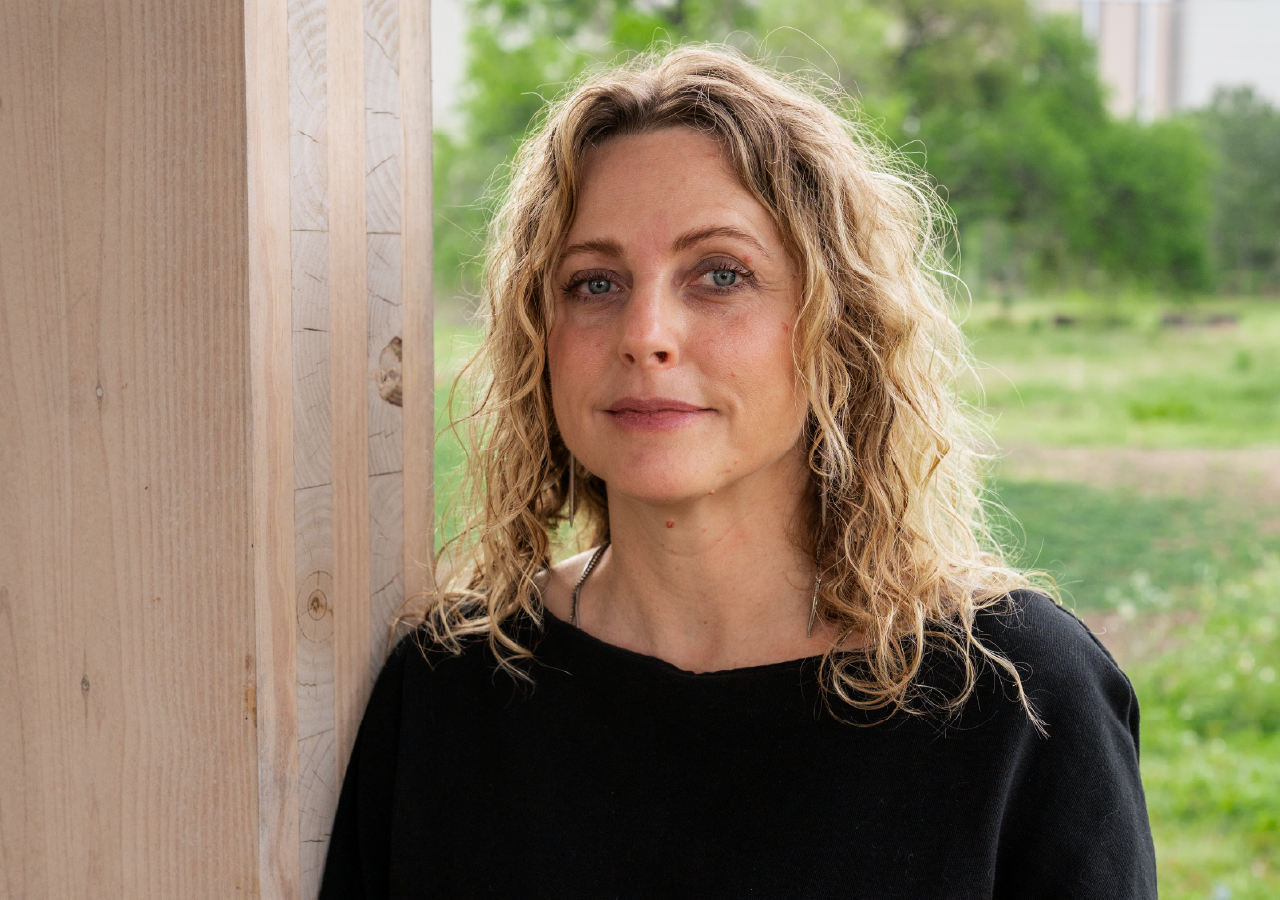
Pictured above: Lacy M. Johnson, the Bruce and Elizabeth Dunlevie Associate Professor and director of Rice's MFA in Creative Writing. Photos by Alan Nguyen
Check out the summer 2026 reading list below.
Read the Gulf Coast
In November 2025, the Rice University Faculty Senate approved the creation of a new Master of Fine Arts in Creative Writing, an initiative years in the making and shaped by deep reflection on what writers — and the world they write for — need now. The three-year program will welcome its first cohort in fall 2026, offering a bold reimagining of creative writing education grounded in place, cross-genre training and community engagement.
The MFA is explicitly place-based, rooted in Houston and the Gulf Coast region. Its curriculum engages the literary traditions, histories and voices that define the region, inviting students to learn from those who have shaped it and to write new work that responds to Houston and the Gulf Coast as they are now. At the same time, the program challenges the enduring myth of the solitary writer in the ivory tower. Writing is positioned as a collaborative art, one that gains power when it is in conversation with others.
Community engagement is central to the program’s vision. MFA students will partner with Houston-based nonprofits, schools and cultural institutions, contributing as writers, teachers, editors and creative partners. Writers sharpen their craft by listening closely, by observing the world around them and by learning to write with and for audiences beyond the academy. At the same time, community partners gain sustained creative support, new platforms for their stories and collaborators invested in Houston’s cultural and social vitality.
Equally distinctive is the program’s approach to craft. Led by a world-class faculty whose accomplishments span fiction, poetry, nonfiction, translation and hybrid forms, the Rice MFA is built on cross training writers across genres. Students will be encouraged to experiment, borrow techniques and resist narrow specialization. Small cohorts allow for close mentorship, rigorous workshops and a culture of intellectual generosity.
From the beginning, the Rice MFA has been built on a simple conviction: talent should never be limited by financial circumstance. Every student admitted to the program will receive a full tuition waiver and a guaranteed three-year living stipend, ensuring the freedom to write, study and engage fully with the city around them. Rice has committed to covering tuition and stipend support for the inaugural cohort as the program launches. Philanthropic partnership is now essential to extend that same level of support to the cohorts that follow. Supporting the Rice MFA means giving writers the time and security to do their best work, investing in Houston as a place of vital stories and voices, and helping establish a program poised to become a national model for what creative writing education can and should be.
Now, as the inaugural cohort approaches, meet the writers and teachers who are leading Rice’s new MFA in Creative Writing.
Lacy M. Johnson on Writing as Action
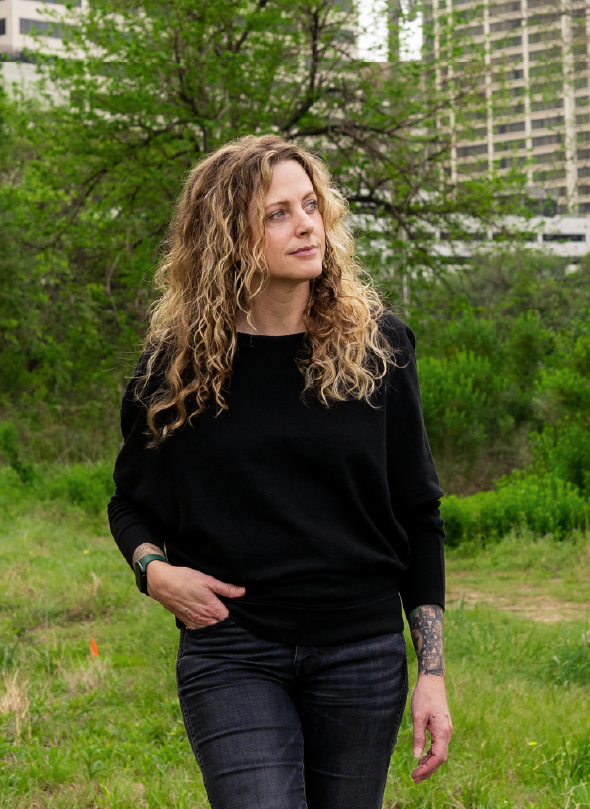
Lacy M. Johnson
Lacy M. Johnson, the Bruce and Elizabeth Dunlevie Associate Professor and director of Rice’s new MFA in Creative Writing, is a writer whose work refuses to stay confined to the page. An essayist, memoirist, curator and social activist, Lacy is the author of “The Reckonings” and “The Other Side,” both National Book Critics Circle Award finalists, as well as the memoir “Trespasses.” Across genres, her writing insists that art can intervene in the world it describes.
That insistence has taken especially powerful form in Houston. Lacy is the co-editor of “More City Than Water: A Houston Flood Atlas,” a collaborative volume of essays, personal narratives, maps and artwork. The book documents the city’s experience with flooding, particularly in the aftermath of Hurricane Harvey, while exposing the connections between climate catastrophe, wealth inequality and racial disparity. She is also the founder and director of the Houston Flood Museum, an online, evolving archive of videos, poetry, personal testimony and reporting. The project is both a record of lived experience and a call to rethink how cities along the Gulf Coast and beyond respond to recurring environmental disasters.
Lacy’s career embodies one of the core principles of Rice’s MFA: a deliberate move away from the myth of the solitary writer and toward a model of the socially engaged artist. That orientation began early. As a Ph.D. student at the University of Houston, Lacy took a course titled Collaboration Among the Arts, which grouped writers, musicians, visual artists and theater students together and instructed them simply to make something.
“My group created a very experimental stage play,” Lacy recalled. “I was the writer and the director. It was the first time I really thought of myself as someone who makes more than what exists on the page.”
“Somewhere between that collaboration course and today,” she continued, “I stopped thinking of myself as an artist who makes things and started thinking of myself as an artist who makes things happen.” Over time, that shift in how she understood her work widened and determined how Lacy thought about what her art could accomplish in Houston. “Millions of stories are interwoven here,” she said. “The question for me is how to amplify those stories in ways that create change, that affect policy, that reach people involved in decision-making.”
That same question animates Rice’s new MFA. “We are activating people to be informed, ethical citizens of their communities,” Lacy said. “Our students will take the skills they learn at Rice and use them to benefit the places they live. Helping writers share knowledge with the public is one of the most important services a university can provide.”
Kiese Laymon and the Art of Making Place
Kiese Laymon, the Libbie Shearn Moody Professor of English and Creative Writing, acclaimed author of “Heavy: An American Memoir,” and 2022 MacArthur Fellow is one of the foundational voices shaping Rice’s new MFA program. For him, joining the founding faculty feels a bit like stepping into a story he’s been preparing for his whole life.
“I used to wake up on Saturday morning, and the kung fu movies would always come on,” Kiese mused. “In the ones I loved, some guy was scouring the earth to come up with the perfect team to join him in his mission. That’s what I feel like on this team. Lacy and Dean Kathleen Canning have brought together the A-Team. The program was built collaboratively, designed by an incredible team willing to imagine something new and take responsibility for every choice,” Kiese said. “The downside is all the mistakes are yours. You can’t blame the person who retired 15 years ago.” But he also knows that first cohorts set the tone, and the early flood of applications from around the world signals that writers recognize something special is happening.
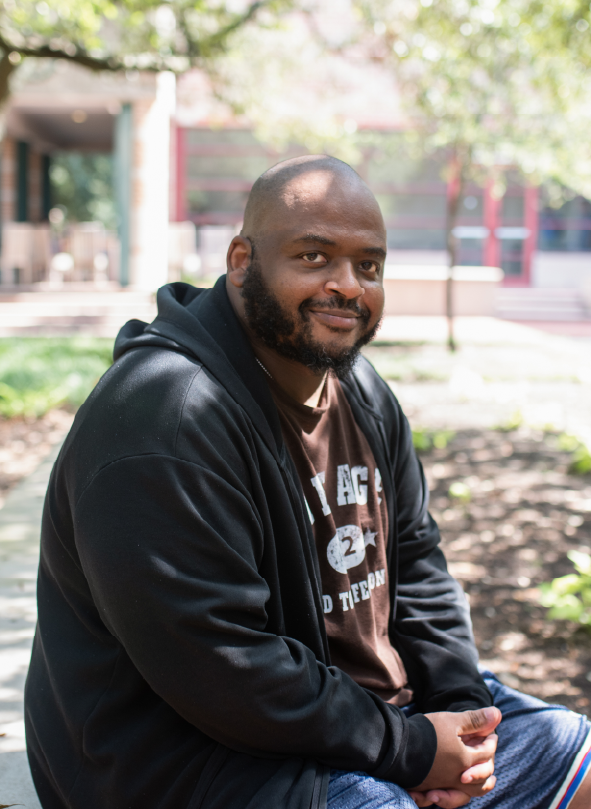
Kiese Laymon
One of the MFA’s strongest features, Kiese explained, is its commitment to breaking down genre silos. “You might come in as a poet and end up working with someone rooted in creative nonfiction. That’s ideal. The goal isn’t to create one kind of writer — it’s to make space for many kinds of creation.”
This multi-genre approach works because of the faculty’s range. “You just have a wide array of teachers who do multiple things well,” he said. “That’s rare. Usually, you get silos. Here, you get people who are extraordinary in more than one mode.”
That breadth of talent functions alongside Kiese’s commitment to place. He notes how Mississippi, his childhood home, taught him both the gravity and urgency of telling stories that honor where you come from and the people who shaped you. “Growing up in Mississippi was a gift,” he says. “I come from a place the rest of the world kind of laughs at. We are ranked 50th in almost everything, but we were never 50th in art making.” For Kiese, writing about place honors the artistry of his home state and the people, including his grandmother, whose stories were dismissed or unheard.
Bringing that legacy to Rice feels natural. Houston, in his imagination as a child, was a cultural force whose music, language and swagger influenced Mississippi. “When I was growing up,” Kiese said, “Houston was a real city. I thought if you could make it in Houston, you could make it anywhere.” Today, he sees Houston as a place alive with artistic energy, a city that mirrors the multiplicity and creative urgency he wants for his students. “There's so much writerly energy around Houston and around this area that I feel like it's just begging to be tapped or centralized in some way.”
Andrea Bajani and the Power of Empathy
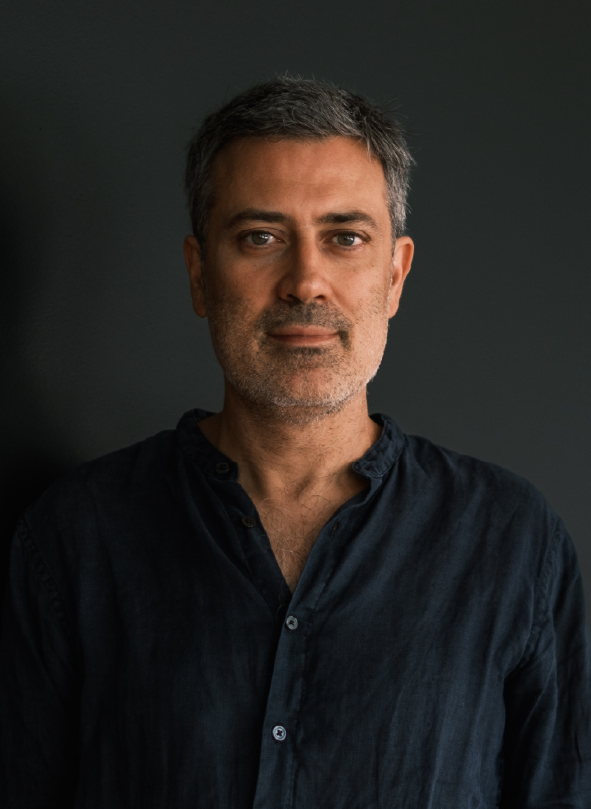
Andrea Bajani
Photo by Adolfo Frediani
Andrea Bajani, professor in the practice and international writer-in-residence at Rice, brings extraordinary depth to the university’s new MFA in creative writing. His most recent novel, “The Anniversary,” is winner of the 2025 Strega Prize, Italy’s most prestigious literary award. It is being translated into more than 25 languages, further cementing his global literary presence.
For the MFA program, Andrea’s dual experience as both novelist and translator is a rare asset. A native Italian speaker who writes in Italian and translates into Italian, he offers students a nuanced understanding of the creative and interpretive work that happens on both sides of a translation. His philosophy embraces a contemporary view of translators not as intermediaries, but as artists. “Translators are writers, writing on top of the original writing,” he explained. “The Anniversary” revealed this truth back to him. When he read the first draft of Geoffrey Brock’s English translation, he realized that Brock had written the version he had always imagined. “It was the book I wanted to write but didn’t have the words for,” he said. “I wrote that story thinking of an American reader, someone outside my culture. In a way, it made everything more universal.”
The idea for “The Anniversary” took shape while Andrea was teaching his popular “Writing the Family” course at Rice. He invites students into the emotional and psychological complexity of family narratives — “a labyrinth of the Minotaur,” where each writer must decide how, or whether, to emerge. For Andrea, writing is rooted in empathy, an effort to reach a place where one can feel the human condition of others. “Writing is leaving your safe area and meeting someone who shares the same human condition,” he said. “That same thing happens in the MFA community, and it also happens in translation. Translation requires empathy. It is a mutual act of trust, a way of feeling what another life or another culture means through a shared language.”
In his translation courses, Andrea begins by asking students to bring a book that feels close to their soul, “an author who feels like a twin in another language.” When he translated “The Little Prince” from French into Italian, he felt that connection immediately. “It was like finding someone who was saying the things I wanted to say, things tied to my childhood,” he recalled. “I am an existentialist in both writing and translating. I try to get as close as possible to myself. Only when you find your truth in another author can you make them alive in your own language.”
Phillip B. Williams and the Responsibility of Imagination
Phillip B. Williams is a writer working at the height of his powers and a teacher deeply invested in what writers owe the world beyond the page. A poet and novelist, Phillip is currently on tour with his ambitious new novel “Ours,” named one of Oprah Winfrey’s most anticipated books of 2024. Set in the 1830s, and spanning nearly 600 pages, the novel follows an enigmatic conjurer, Saint, and the town she creates for formerly enslaved people she liberates from plantations across the American landscape. “Ours” explores the idea of freedom and is steeped in mythology, magic and family stories.
Phillip is also the author of two acclaimed poetry collections, “Thief in the Interior” and “Mutiny,” both award-winning books that examine identity, violence, desire and the relationship between language and the body. Across genres, his work wrestles with social change and the ways art can expand or complicate our visions of what justice and freedom might look like.
That ethical seriousness shapes the perspective Phillip brings to Rice’s MFA. For him, the program’s emphasis on community engagement is essential to the role of the writer.
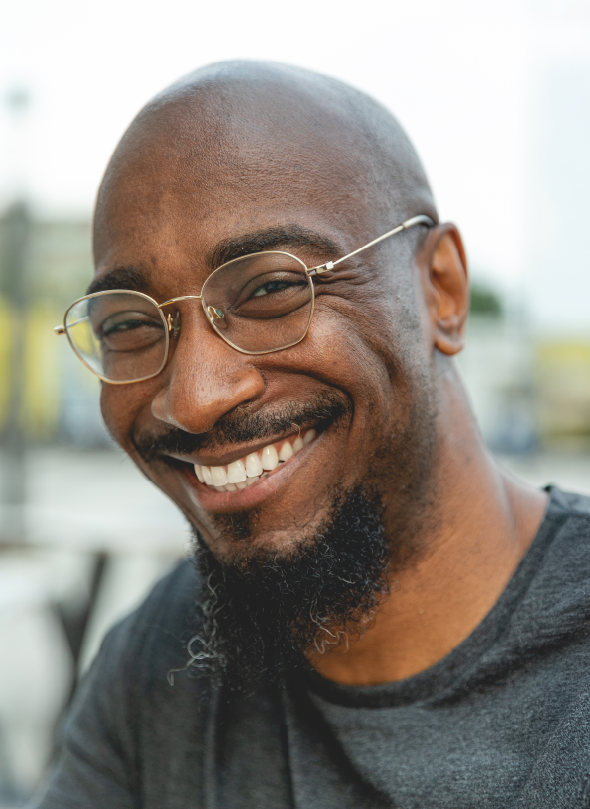
Phillip B. Williams
“Part of what makes Rice’s MFA unique is its integration with the Houston community,” Phillip said. “Universities bring attention and resources to major cities, but they often fail to give back to the communities that sustain them. Our faculty already work with organizations like Inprint and Kindred Stories, and we can do more. As we deepen our relationship with Houston as a city and a home, we’ll teach our students to do the same. Writers are servants to the public, though that’s sometimes forgotten in a culture of celebrity. I’m proud that we have a different vision — and the resources to make it real.”
As a professor of creative writing, Phillip pushes students to rethink what it means to be a successful writer by considering not just where work circulates, but whom it serves.
“Yes, we want our writing in the world,” he said. “But we also have to imagine the world in generous, responsible ways. We have to see it beyond greed and destruction and value people as more than potential book buyers. A program committed to community has to show writers the many ways they can be useful — to literacy programs, public workshops, neighborhood reading series, book clubs and shared spaces that don’t always get attention.”
Tomás Morín and the Generative Power of Translation
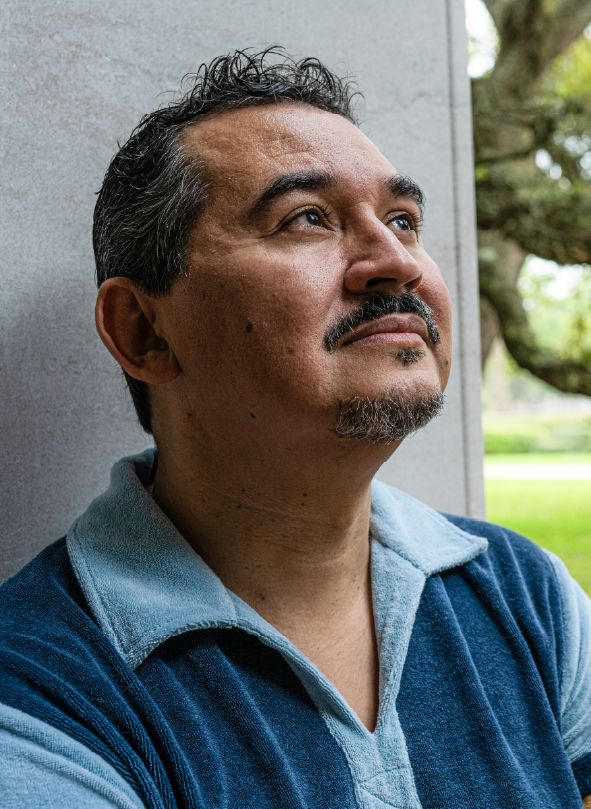
Tomás Morín
Translation is a defining feature of Rice’s new MFA in Creative Writing, with its translation curriculum shaped in large part by poet, translator and award-winning author Tomás Morín. An associate professor in creative writing and director of undergraduate studies in the field, Tomás brings to the program a career defined by work across language and genres. He is the author of the poetry collection “Machete” and the memoir “Let Me Count the Ways,” and he is widely recognized for his translation of Pablo Neruda’s “The Heights of Macchu Picchu.”
Under Tomás’ leadership, the MFA’s translation curriculum reflects the program’s broader commitment to developing skills. “One of the most intentional elements built into the MFA program is its emphasis on work that moves across forms,” Tomás explained. Every student is required to take workshops outside their primary genre, and translation becomes a natural extension of that practice. Both writing and translation ask that students take core material and reimagine it within unfamiliar structures, strengthening their adaptability and artistry.
Tomás’ translation course diverges from traditional models. Rather than beginning with a favorite author or canonical text, students start with an honest assessment of their own weaknesses. If a poet struggles with metaphor or a fiction writer with dialogue, that weakness becomes the foundation of their translation project. Students then seek out a writer, someone they can read in another language, whose strengths lie exactly where the student wishes to grow.
Translation, Tomás argued, exposes a writer’s limitations with startling clarity. “When a student tries to translate Federico García Lorca,” he said, “they must attempt to be as agile with metaphor in English as Lorca is in Spanish. It’s impossible, of course, but the attempt is the training. Wrestling with Lorca’s imagery becomes the workout that builds the very muscle they lack.”
Ultimately, Tomás teaches that translation is not about perfection but about recreating an experience. “Translation is an art form,” he said. “It’s the purest form of close reading there is. You identify every aesthetic move in the original, and then you try to duplicate those moves so they have the same impact in a new language. That’s creation.”
Reading the Gulf Coast:
The Summer 2026 Reading List
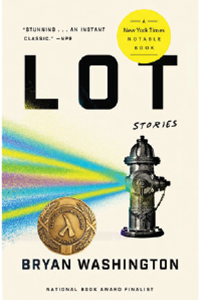
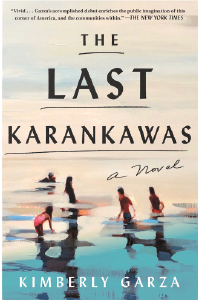
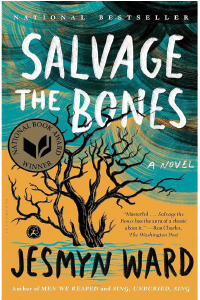
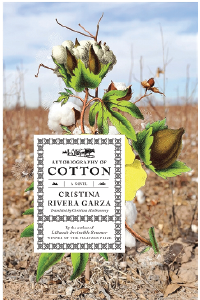
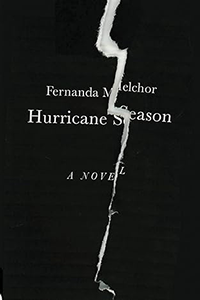
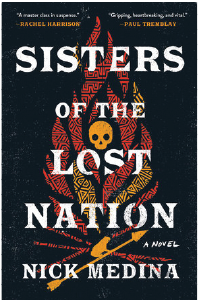
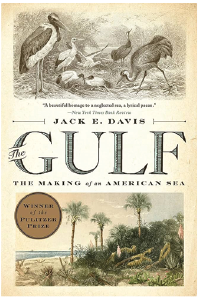
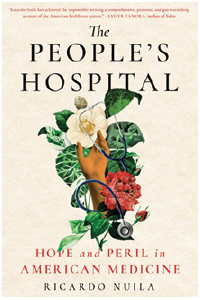
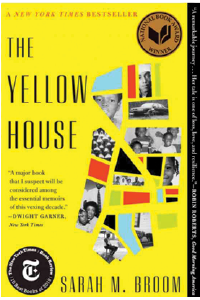
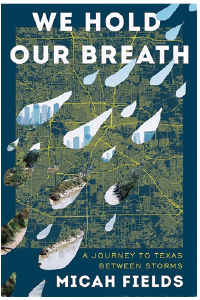
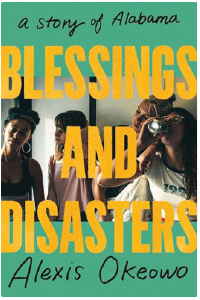
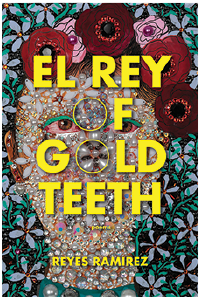
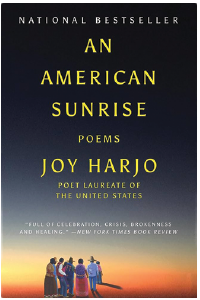
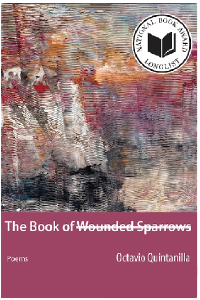
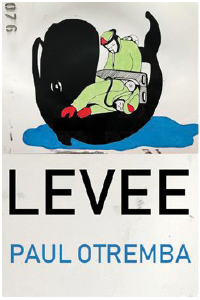
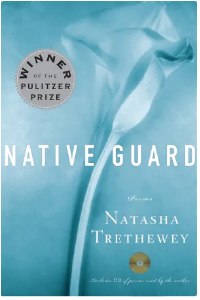
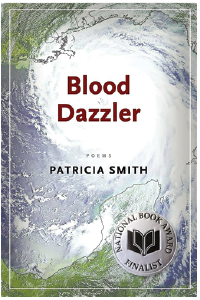
Curated by Lacy M. Johnson, writer and director of Rice’s MFA in Creative Writing, this summer reading list invites readers into the rich, complex literary traditions of Houston and the Gulf Coast. Spanning fiction, nonfiction and poetry, and including works in translation, these books explore place, history, voice and community. Whether you’re discovering this tradition for the first time or returning to it, the list offers a compelling entry point into the conversations at the heart of Rice’s new MFA in Creative Writing.
Fiction
Nonfiction
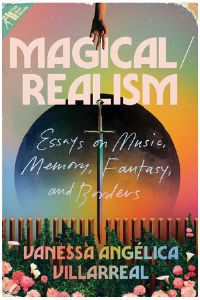
Poetry
Accelerate the Vision
Rice’s MFA program will shape the next generation of Gulf Coast voices. With your support, these artists can focus on their craft and bring new work into the world. To learn how you can support Rice’s MFA in Creative Writing, contact Emily Stein, senior director of development, at 713-348-3424 or emily.m.stein@rice.edu.
Explore More From Our Current Issue
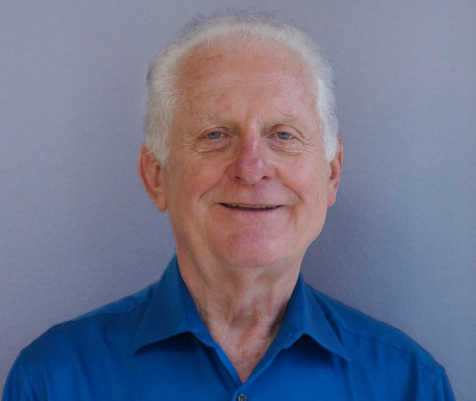
The National Instruments co-founder reflects on his connection to Rice and his support for endowed chairs.
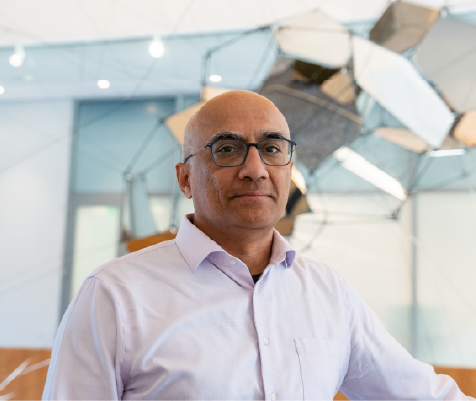
Faculty members are harnessing the power of data science to transform how we deliver care.
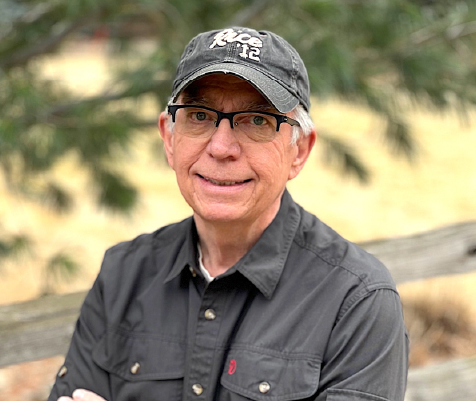
Jim Prugh ’77, ’78 is helping students from small towns pursue a Rice education.
Giving to Rice
Development & Alumni Relations
P.O. BOX 1892
Houston, Texas 77251-1892
Phone: 713-348-4991
Email: giving@rice.edu